TL;DR
Where to stay in Tuscany for a group trip comes down to one structural decision: a private villa in the countryside, in one region, for the full week. Chianti gives you wine country and easy day trips. Val d'Orcia gives you the dramatic landscape and a slower rhythm. The Maremma gives you coast and countryside without the tourism that follows the more well-known regions. Florence is for a day, not for a week.
Quick Pick: Where to Stay in Tuscany Based on Your Group
A direct answer for groups deciding where to stay in Tuscany:
- First trip to Tuscany → Chianti, for the familiar landscape and the easiest infrastructure
- Returning, want depth over coverage → Val d'Orcia, for slower mornings and Brunello country
- Want coast plus countryside, fewer travelers → the Maremma, for the wildest and least-touristed version
- Best months across all three → May, September, or October. Avoid July and August unless heat and crowds are not a concern.
The format matters more than the town. A Tuscany villa for groups, in one region, outperforms hotels in cities or split bookings across regions, almost without exception, for a trip of a week or more.
Where to Stay in Tuscany: A Comparison
| Region | Best for | Drive to Florence | Tourism level | Price (villa, 8–10 ppl) |
|---|---|---|---|---|
| Chianti | Wine country, mixed-interest groups, Florence day trips | 45 min | High in summer, calm in shoulder | €€€ |
| Val d'Orcia | Dramatic landscape, slow rhythm, Brunello tasting | 90 min | Moderate, manageable year-round | €€ to €€€ |
| Maremma | Coast plus countryside, undiscovered Tuscany | 2 hr | Low across all seasons | € to €€ |
Each region is covered in detail below, with the same framework: who it is for, why the format works there, and when to skip it.
Introduction
The light in Tuscany does something particular in the late afternoon. It turns the fields amber, and the cypress trees cast long shadows across roads you were not planning to take. You are on your way back from somewhere. No one in the car is talking, not because conversation has run dry, but because the view has taken over.
That is the hour most visitors miss. They are in Florence, navigating crowds outside a museum, looking for a place to sit. For a week-long group trip, that is the wrong version of Tuscany.
Where you stay in Tuscany shapes everything. Stay in a city hotel and you are a tourist passing through. Stay in a villa in the countryside and you are a resident, even if only for eight days. For groups of six to ten, that distinction changes what you come home having done.
This guide covers the three main regions for villa-based group travel in Tuscany, the timing question, and why the right accommodation format matters more than which town you pick. If you are still weighing Tuscany against other destinations entirely, the girls trip destinations guide for 2026 has the broader comparison.
Why a Villa Beats a Hotel for a Tuscany Group Trip
For a group of six to ten, a private villa is the format that lets the trip feel like Tuscany rather than like Italy in general. A villa gives you a kitchen, a long table, a pool, and outdoor space the group can spread into without booking it. Hotels, even very good ones, return you to a room each night that could be in any European capital.
The other reason is logistical. Hotels charge per room, scaling linearly with group size. Villas charge a flat nightly rate, which usually breaks down lower per person at eight to ten guests than equivalent hotel rooms. The math favors the villa as soon as the group reaches six.
The third reason is the chef. With a kitchen and a long dining room, you can have a private chef cook three or four dinners during the week. That single decision changes the texture of the trip more than any single excursion. The dinner you remember is almost always the one in the villa.
Is It Better to Stay in Florence or the Countryside in Tuscany?
For a group of six to ten staying a week or longer, the countryside wins almost every time. Florence is a city worth a day. The countryside is what most groups actually came for. Stay in a Tuscany villa for groups in Chianti or Val d'Orcia, day-trip into Florence once, and the whole week reads differently than a Florence-hotel itinerary.
The exception is short trips. For a long weekend of three or four nights, a small Florence boutique hotel can work, especially for groups focused on art, food, and walking the city. But a Tuscany group trip of a full week loses something every night spent in a city hotel room. The rhythm Tuscany rewards, slow mornings, long lunches, the late-afternoon drive back, only happens with a villa as the base.
The First Thing Most Groups Get Wrong About Where to Stay in Tuscany
Most groups default to Florence. It is familiar, it has the museums, and it feels like a logical center of gravity for a week in the region.
The problem is that Florence is a city, and a beautiful one, worth a day and maybe an evening. A week in a Florence hotel means returning each night to a room that could be in any European capital. The hills stay at arm's length. The olive groves, the empty roads, the stone farmhouses at dusk, all of it becomes something you drove through rather than something you lived in.
For a group, the reframe is simple: move the base out of the city and into the countryside. You can still go to Florence for a day. You can still see Siena or San Gimignano. But you come home to something. A pool. A kitchen. A long table in a garden where dinner happens slowly, with wine produced thirty kilometers away.
The groups that remember Tuscany the most clearly are almost never the ones who stayed in the city. They are the ones who woke up each morning to the same view and watched it change.
Chianti: The Most Recognizable Region, and When to Skip It
Chianti is what most people picture when they imagine Tuscany. Rolling hills, cypress-lined drives, stone farmhouses with wisteria on the walls, and a winery every few kilometers. The landscape between Florence and Siena is iconic for a reason.
For groups, Chianti works because of its infrastructure. There are good markets, reliable restaurants, local butchers who know the producers, and estates that do private tastings without requiring advance planning in shoulder season. Day trips to Florence (forty-five minutes) or Siena (thirty minutes) are easy, which suits groups with mixed interests. Some people want a museum day. Others want to stay by the pool. Chianti accommodates both without demanding a choice.
The concern is summer. In July and August, Chianti becomes expensive and crowded in a way the other regions do not. Villa rates climb toward the top of the €1,500–€2,000 nightly range. The roads between hilltop towns carry more rental cars than farm equipment. The premium price tag of peak-season Chianti does not always deliver a proportionally better experience.
For groups traveling in May or September, those issues disappear. The estates are open, the roads are clear, and the afternoon has room in it.
- Best for: Groups who want wine country access, the flexibility of easy day trips to Florence or Siena, and a familiar version of the Tuscan landscape
- Why it works: Chianti offers the densest infrastructure of the three: markets, restaurants, and producers within short drives of almost any villa, plus reliable connectivity to Florence and Siena
- Skip / Avoid: July and August if your group values quiet. The peak-season premium in Chianti is real, and the crowds come with it. Shoulder season is the version worth paying for.
Val d'Orcia: The Region That Actually Looks Like the Painting
Val d'Orcia begins about forty-five minutes south of Siena, where the character of the landscape shifts. The hills here are rounder and more barren, dotted with lone farmhouses and rows of cypress trees that stand like punctuation marks at the edge of fields. This is the Tuscany that painters return to, the one reproduced on gallery walls and in the windows of travel agencies that no longer exist. The valley is a UNESCO World Heritage cultural landscape, recognized for the way the working countryside has shaped the visual culture of the region for five centuries.
What makes Val d'Orcia work for groups is not the scenery. It is the pace. There are no major museums here, no large cities competing for your attention. There is Pienza, a Renaissance town that takes an hour to walk and rewards a slow afternoon. There is Montalcino, where Brunello di Montalcino is produced, and where a glass on a terrace with a view of the valley constitutes the main event. There is Bagno Vignoni, with its thermal pools built into the piazza in the center of town, where the Romans bathed and where you can still sit in warm mineral water on a cold October morning.
For a group that wants to stop performing a trip and start inhabiting one, Val d'Orcia tends to be the answer.
- Best for: Groups who want depth over coverage, dramatic scenery, slower rhythms, and a wine experience built around Brunello rather than Chianti Classico
- Why it works: The southern location keeps the crowds thinner even in shoulder season, and the valley rewards the ability to slow down in a way that the more accessible regions do not
- Skip / Avoid: Groups that need structured activities every day, or groups who want easy Florence access. Val d'Orcia is a commitment to stillness. It delivers when you let it.
The Maremma: Tuscany Without the Tourism
The Maremma is the part of Tuscany most visitors do not reach. It runs along the southwestern coast from around Grosseto toward the Lazio border, and it is wilder here than anywhere in the better-known regions. There are nature reserves, coastal wetlands, long stretches of uncrowded sand, and medieval hill towns like Pitigliano and Sorano that sit on volcanic tuff cliffs above ravines.
The region has a working-rural character that the rest of Tuscany has, in many places, polished away. Villa rental prices run €500–€1,000 per night for groups of eight to ten, lower than equivalent properties in Chianti. Crowds are thin year-round. The coast is genuinely good, not a postscript.
For groups who have already experienced Chianti on a previous trip, or who want a version of Tuscany that feels undiscovered rather than curated for tourism, the Maremma is worth choosing deliberately rather than arriving at by accident.
The one structural limitation: the Maremma sits about two hours south of Florence, which makes regular day trips north impractical. If your group wants the city as a recurring option, this is the wrong base. If your group is happy to commit to the coast and countryside for a week, it becomes an advantage.
- Best for: Groups who want a coastal element alongside the countryside, genuine quiet, and a less-traveled version of Tuscany with lower villa prices
- Why it works: Access to beach and countryside within thirty minutes of most villas, year-round low tourism, and a landscape that reads differently from the more photographed areas
- Skip / Avoid: Groups who want proximity to Florence or Siena. The south is far from the north, and the Maremma does not apologize for that.
When Should a Group Go to Tuscany?
April, May, September, and October are the strongest months for a group trip to Tuscany. The weather is mild, the countryside is at its most photogenic, and the crowds across all three main regions are significantly lower than in July and August.
In July and August, the Chianti estates fill with visitors from across Europe. Villa rental prices climb. The midday heat pushes everyone indoors, and the long afternoon that makes Tuscany worth visiting becomes an exercise in finding shade. Groups who arrive expecting the easy outdoor rhythm of the region can find summer a different kind of trip than they planned.
May is one of the most reliable months in the region. The poppies are out in Val d'Orcia. The vineyards are vibrantly green. The estates and restaurants are running at full capacity but not overextended. Mornings are cool enough for driving with the windows down.
September is the other reliable window. Harvest begins in the first weeks of the month. Temperatures drop to a comfortable range after the height of summer. The Brunello cellars in Montalcino begin receiving visitors again with a new vintage context, and the Chianti roads clear of the August rental cars. If your group has flexibility, September in Val d'Orcia is one of the more consistent travel weeks available in Europe.
Tuscany vs Other Destinations for a Group Trip
Where to stay in Tuscany for a group becomes a clearer decision when set against the alternatives. A few honest comparisons:
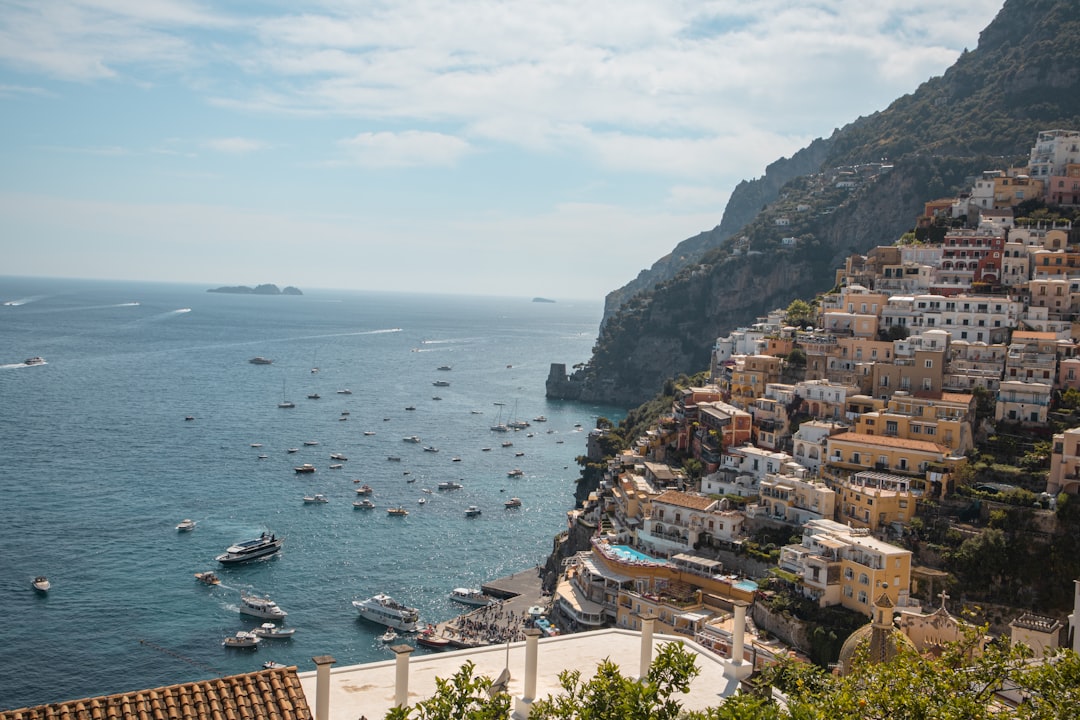
- Tuscany vs the Amalfi Coast. The Amalfi Coast is more vertical, more dramatic, and more visually iconic, but a villa stay there means narrow roads and limited mobility. Tuscany gives a group more room to spread out across regions and more agriculture to lean into. Amalfi is a five-day trip. Tuscany is a week or longer. See the Amalfi Coast itinerary guide for the coastal version of this question.
- Tuscany vs Provence. Provence offers a similar villa-and-countryside model with lavender fields and a stronger emphasis on rosé. The villa stock is comparable. The differences are pace and food culture: Tuscany's food scene is more layered, the wine education is deeper, and the landscape varies more dramatically across regions. Provence wins on coastal access if the group wants Mediterranean swimming.
- Tuscany vs the South of France. The South of France is the more glamorous option, with stronger nightlife and faster energy. For a group looking for slower rhythm, longer dinners, and a week that does not perform, Tuscany is the more honest choice. The South of France suits short, social trips. Tuscany suits a real week away.
For groups still weighing destinations across regions and continents, the girls trip destinations guide for 2026 covers the broader comparison.
How to Plan a Tuscany Group Trip Without Doing It Yourself
The mechanics of a Tuscany group trip look simple at the start. Find a villa. Coordinate flights. Agree on a few things to do. In practice, the friction begins with the villa search and compounds from there.
The right villa for eight people in Val d'Orcia, with a pool, a kitchen worth cooking in, and enough private outdoor space for a group to spread out, is not a quick search. It requires local knowledge, accurate availability windows, and the kind of back-and-forth that takes hours across multiple platforms. Then there are the experiences: the winery that does private group tastings, the cooking class outside of Siena, the truffle morning in the Crete Senesi. Each requires a separate inquiry, a minimum group size, and advance coordination.
The private chef question is the one most groups underestimate. For a group staying a week, having a local chef come in for three or four dinners changes the texture of the trip entirely. You are eating at the long table, at home, drinking wine from an estate a few kilometers away. That is the dinner you remember. Sourcing that chef, verifying the quality, and coordinating the menu for a group with different dietary requirements takes the kind of local relationship that does not come from a Google search.
The Tuscany villa experience from Wndrlust is built around this premise. The villa is already chosen for the format of a group week. The chef is already part of it. The regional experiences, the driving, the knowledge of which corners of Val d'Orcia or Chianti reward a slower look, all handled before you land.
For groups weighing the DIY version against the curated one, it is worth reading how the logistics actually shake out in planning a group trip without the stress landing on one person. The gap between a self-assembled week and a designed one tends to show up on the last day, when you realize what the version with the right infrastructure felt like compared to the one without it.
If you are ready to look at what a curated Tuscany week looks like in practice, explore the current voyages for the formats available.
Conclusion
Where to stay in Tuscany, for a group, is less about picking the right town and more about making the right structural decision: countryside over city, villa over hotel, one region over many.
Chianti gives you the wine country access and the infrastructure that makes a week easy to navigate. Val d'Orcia gives you the landscape that does not require activity to justify the day. The Maremma gives you something quieter, more coastal, and genuinely off the well-worn path.
Any of the three, with a week in a private villa, produces something that reads differently from a standard trip. By the third day, the schedule falls away. By the fifth, you have stopped counting the things left undone. That is Tuscany working the way it works when you give it room to. The only version that tends not to work is the one you spend from a hotel room in Florence, day-tripping toward a countryside that stays, in every meaningful sense, just out of reach.