TL;DR
For most groups, the Amalfi Coast works as the base and Capri as the day trip. They are not true alternatives for a multi-night stay. Capri's limited villa inventory, peak-season crowd pressure, and new 2026 overtourism rules make it a poor anchor for a group voyage. The coast, particularly Ravello or Positano, gives you the villa, the pace, and the flexibility to visit Capri on your own terms.
Quick Pick
- Villa base for a group of 6–12: Amalfi Coast — Ravello for quiet seclusion, Positano for social ease and beach access
- Capri: Book the hydrofoil from Amalfi (50 minutes, from €28 per person), depart early, return by 4pm before the ferry rush
- Best season for both: May or late September, warm and swimmable before the worst of the summer traffic
- If your group has already done the Amalfi Coast: A single overnight on Capri lets you experience the island after day-trippers leave, which is a different place
- What to skip: Capri in late July or August without advance ferry bookings; the logistics will cost more energy than the island returns
Comparing the Two Options
| Capri as Multi-Night Base | Capri as Day Trip | Amalfi Coast as Base | |
|---|---|---|---|
| Best for | Island atmosphere, boutique stays | Iconic scenery and day touring | Villa group living, full destination flexibility |
| Villa supply (8–12 people) | Limited; book months ahead | N/A | Strong: Ravello, Positano, hillside estates |
| Privacy | Lower in summer (up to 50,000 visitors per day) | Crowds are a single day only | High from villa seclusion above the coast |
| Movement flexibility | All excursions require ferry | Contained to one day | Boat, car, or ferry to Capri, Pompeii, Naples, Sorrento |
| 2026 crowd regulations | Group caps and earpiece requirements active | Same rules apply on arrival | Not applicable |
| Price band | Higher hotel and villa rates; limited stock | ~€28–50 per person hydrofoil | €500–€6,700 per night villa range |
| Season sweet spot | May, September | May, September | May, September–October |
You will find that the capri vs amalfi coast question comes up early in southern Italy planning. Both destinations photograph well. Both carry the kind of name recognition that makes a group chat easy to rally around.
But they are not equivalent choices for a group traveling together.
Capri is an island. That single fact shapes everything: how you can move, where you can stay, how much you pay for it, and how much of your time disappears managing logistics instead of experiencing the place. The Amalfi Coast is a coastline, slow and layered, with towns that feel designed for longer stays rather than quick visits.
One rewards a day of wonder. The other rewards a week of living.
This guide does not argue for one and against the other. It argues for a particular order, and for understanding what each place actually gives a group, not what the photographs suggest.
Which Is Better for a Group Stay: Capri or the Amalfi Coast?
For a multi-night group stay, the Amalfi Coast works more reliably than Capri. Villa options for 8–12 people are plentiful along the coast, particularly in Ravello and Positano, where private properties with pools, terraces, and chef arrangements come at a more competitive price range than Capri's limited island supply. Capri functions more naturally as a full-day excursion rather than a home base.
The gap widens when you factor in logistics. On Capri, every outing requires a ferry. Every restaurant is reached on foot through steep lanes. The geography that makes the island beautiful also makes it work better for day exploration than for anchoring a multi-day voyage with a group of ten.
On the Amalfi Coast, a villa above Ravello or tucked into the terraced hills above Positano gives you a kitchen, a terrace, and a long table. The morning unfolds without a ferry timetable attached to it. You can have a private chef handle dinner on three of the evenings and use the rest of the days to move around the coast, toward Capri, or toward the interior towns that most groups never reach. That flexibility is what makes the coast the better base.
What Capri Actually Delivers for a Group
Capri has a specific and genuine appeal. The Piazzetta, the island's small central square, is one of the few places in Italy where the crowd itself is part of the atmosphere rather than an obstacle to it. The water around the island, particularly near the Faraglioni rocks, has a clarity and color that photographs cannot fully represent. The shopping, for groups who want it, is real.
For a group staying on the island, the experience shifts in the early morning and after the day-trippers leave around 5pm. That window is when Capri returns to something closer to its own character: quieter lanes, locals at small tables, a pace that begins to feel earned.
Best for: Groups returning to southern Italy who already know the coast well, or those who want one or two nights of island living after a longer stay on the mainland
Why it works: The island's scale is walkable, the food is genuinely good, and a private boat circuit of the Faraglioni and sea caves offers a visual register that mainland boat days cannot replicate
Skip: Arriving in July or August without advance reservations for ferries, restaurants, and accommodation; the logistics cost more energy than the island gives back, and the Piazzetta in high summer is more performance than atmosphere
What the Amalfi Coast Offers as a Base
The Amalfi Coast's case for a group base comes down to one thing: the villa.
Not the hotel. Not a collection of rooms booked after a long thread in a group chat. The villa, with its private kitchen, its terrace, its table for twelve, and its kitchen where a private chef can prepare a dinner that becomes the memory of the voyage rather than a line item on a reservation spreadsheet.
The coast offers two distinct bases that suit different group rhythms.
Ravello
Ravello sits roughly 365 meters above the sea, above the worst of the coastal road traffic. Its villas are quieter, its evenings cooler, and its rhythm genuinely slow. A group choosing Ravello is choosing the villa as the destination, with the coast below as a backdrop rather than a main event.
- Best for: Groups who want genuine seclusion, cooler evenings, and a daily pace centered on the property
- Why it works: Villa supply for larger groups is strong, and the elevation removes most of the coastal noise and congestion
- Skip: Groups who want to walk out of the villa and directly into a waterfront restaurant; Ravello rewards planning ahead
Positano
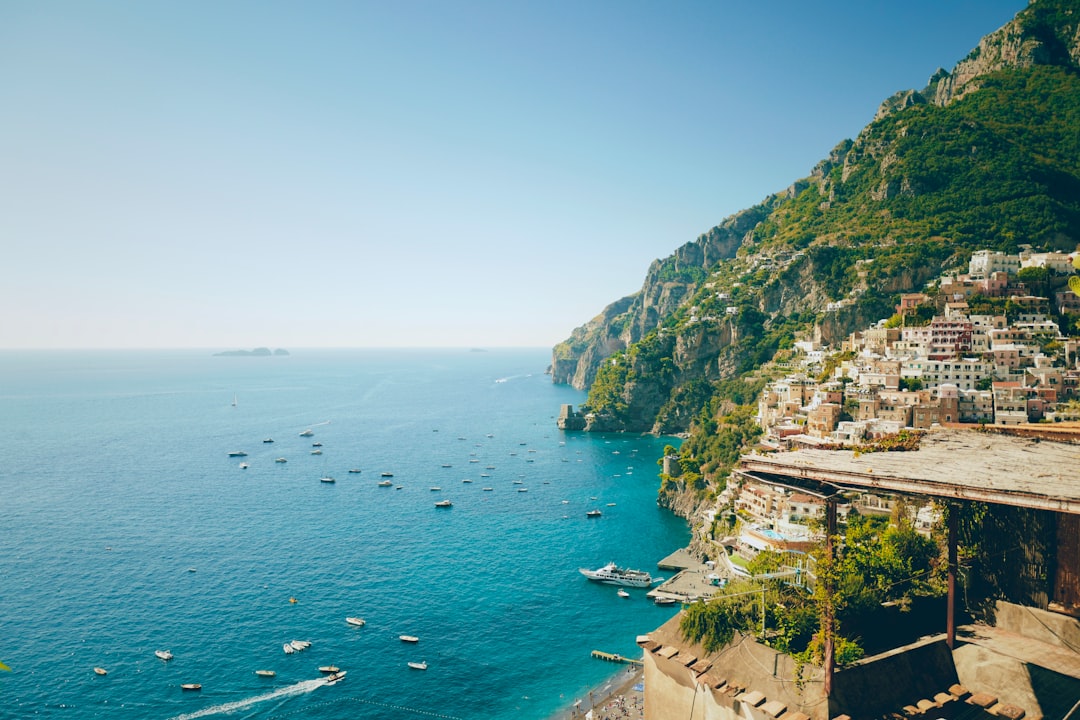
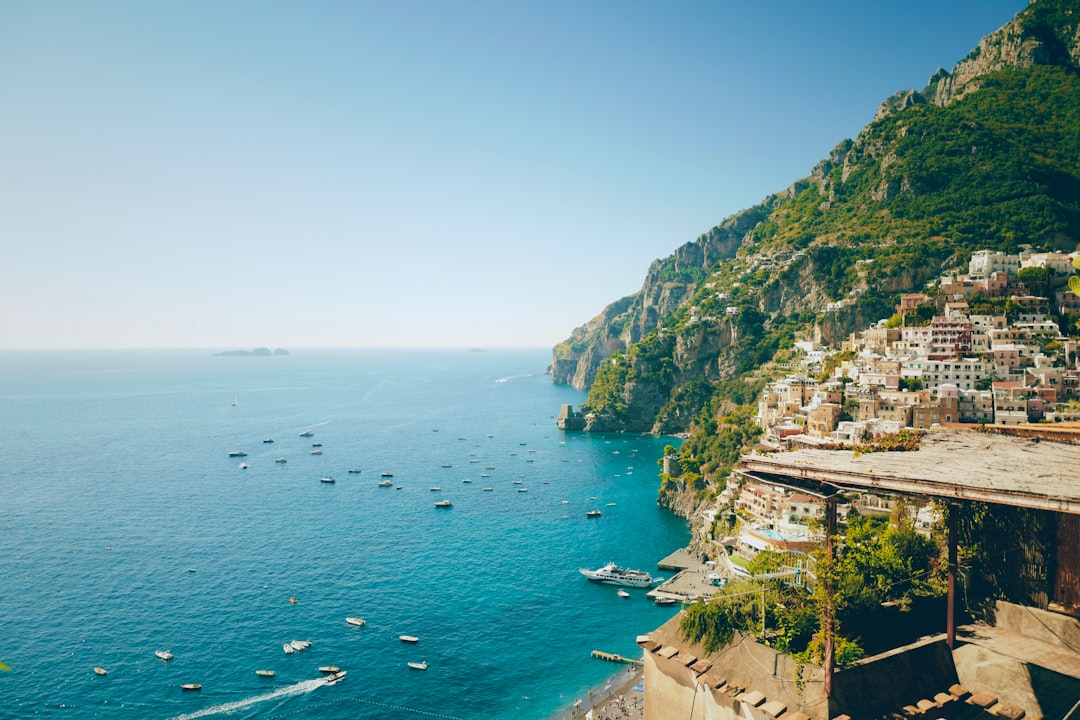
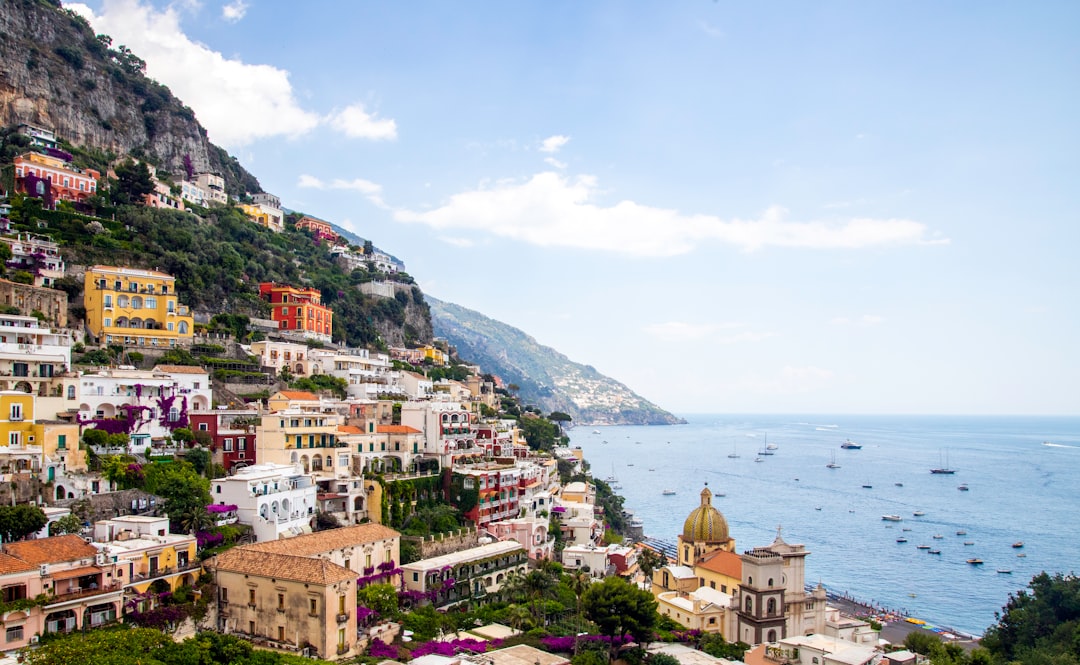
Positano offers a more immediately social atmosphere. The village is walkable, restaurants are close, the beach is accessible, and the visual drama of the cliffside, all those white and terracotta buildings stacked above the sea, is exactly what most people picture when they think of this coast.
- Best for: Groups who want easy restaurant access, beach days, and a lively atmosphere in the evenings
- Why it works: Villa options for 8–10 exist with direct sea views and proximity to the village; the balance of privacy and access is well-calibrated
- Skip: Groups who prioritize silence and solitude above all else; Positano has volume
Our guide to where to stay on the Amalfi Coast covers the full coastal inventory, including Praiano and Amalfi Town for groups wanting something between these two poles.
Capri in 2026: What the New Crowd Rules Mean for Your Group
Capri receives approximately 2.7 million visitors annually, with peak days reaching 50,000 visitors on an island with a permanent population of roughly 14,000. As of May 2026, Capri has implemented new tourism regulations designed to manage that pressure.
The rules most relevant to a group:
- Tour groups arriving on Capri are now capped at 40 people
- Groups of 20 or more are required to use earpieces for guided tours
- Umbrellas and flags used as group markers are banned; only lapel badges and discreet signs are permitted
- Ferry arrivals are subject to new time restrictions to reduce terminal congestion
For a curated group of 8–12 traveling as a private party, most of these rules do not change the day materially. You are not a structured tour group. You are not traveling with a guide and an amplified commentary system. But the ferry congestion rules affect timing, and booking hydrofoil tickets 3–4 weeks ahead in high season has moved from a recommendation to a practical necessity.
The deeper point: Capri's appeal has always existed in tension with its own popularity. The window in which the island feels genuinely calm, early morning, late afternoon after the day ferries return, has always been there. The regulations simply make that logic more visible and more necessary to plan around.
Is a Capri Day Trip Worth the Effort?
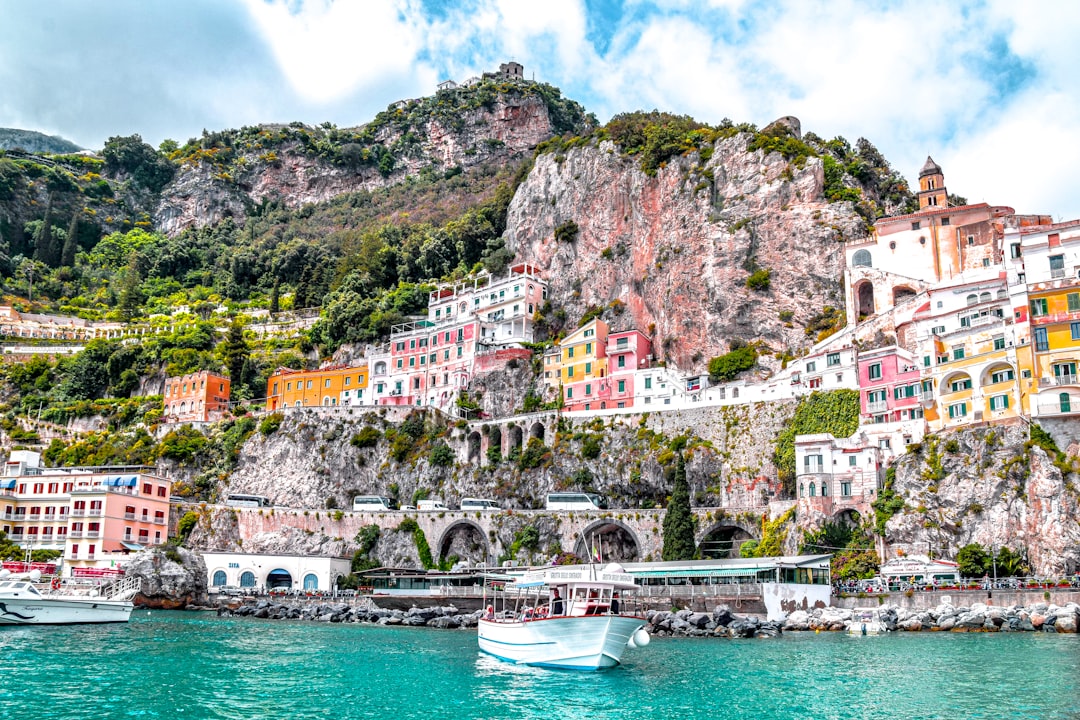
A Capri day trip from the Amalfi Coast is worth it for most groups visiting southern Italy for the first time. Direct hydrofoils run from Amalfi to Capri in approximately 50 minutes. In high season, up to 10 daily crossings operate, with first departures around 9am and returns in the late afternoon. Tickets start at roughly €28 per person and should be booked several weeks ahead in summer.
The question of worth depends on what the group does with the day. A private boat circuit of the island's perimeter, with time in the water near the Faraglioni and a few hours on foot in the village, is a complete experience. Attempting everything, Anacapri, the Blue Grotto, a restaurant lunch, and the full village circuit, tends to end with a group that is tired rather than satisfied.
According to positano.com's seasonal guide, May and late September offer the best conditions for this kind of day: warm water, manageable ferry queues, and the island at something closer to its natural pace. Our Amalfi Coast group travel guide covers the full boat day logistics, including how to structure the crossing and what to do on arrival.
Beyond These Two: Sorrento and the Southern Italy Group Circuit
The capri vs amalfi coast framing is useful, but it can make the region feel smaller than it is. Sorrento, sitting above the water at the northern edge of the Sorrentine Peninsula, is worth including.
Capri vs Sorrento as a base: Sorrento is flatter, more walkable, and logistically more straightforward than either Capri or the Amalfi towns. It lacks the raw visual drama of the coast, but as a base for groups who want to access both Capri and the Amalfi in a single trip, it has real advantages. Hydrofoils from Sorrento to Capri run in roughly 20 minutes. The town has a broader villa and apartment supply for large groups, and it sits outside the narrowest section of the coastal road. If an itinerary involves both destinations over 7–10 days, splitting the stay between an Amalfi Coast villa and a Sorrento base is a rational structure.
Positano vs Ravello within the coast: For groups staying in one place for the week, Ravello gives the most consistent experience: quiet, elevated, centered on the property. For groups who want the coast itself to be a character in the voyage, Positano delivers that more directly.
For a complete read on the villa options across the coast, our guide to the best villas on the Amalfi Coast for groups covers the full range before you make a commitment.
How to Plan This the Right Way
Most groups researching southern Italy spend hours comparing ferry timetables, reading hotel reviews on Capri, and building a shared spreadsheet of restaurants in three different towns. By the time the trip happens, the logistics have absorbed more energy than the experience returns.
The cleaner structure is this: one villa, one base, a private chef handling dinner on most evenings, and the Capri day arranged in advance with an early departure before the peak hydrofoils fill. A few curated afternoons on the coast, a boat day that includes the Faraglioni circuit, and evenings that happen without a reservation crisis.
That administrative layer, the ferry times, the restaurant holds, the transfers, disappears when someone has composed it before you arrive. Wndrlust builds Amalfi Coast voyages around exactly that structure. The villa, the private chef, the Capri crossing. What you bring is the group.
The Decision
The capri vs amalfi coast comparison resolves quickly when you consider what a group actually needs from a week.
You need a table. You need a kitchen. You need a terrace where no one is checking the ferry schedule. You need mornings that happen at your pace rather than a departure board's. The Amalfi Coast gives you that. Capri gives you one perfect day.
Use them accordingly. Anchor to the coast. Spend one day on the island, early, on a boat arranged for the group. See the Faraglioni. Have lunch in the village. Take the late afternoon hydrofoil back. That day will be one of the clearest memories of the voyage.
The mistake is treating them as interchangeable choices. They are not. One is designed for depth. The other is designed for a single, complete experience you carry home and talk about later.