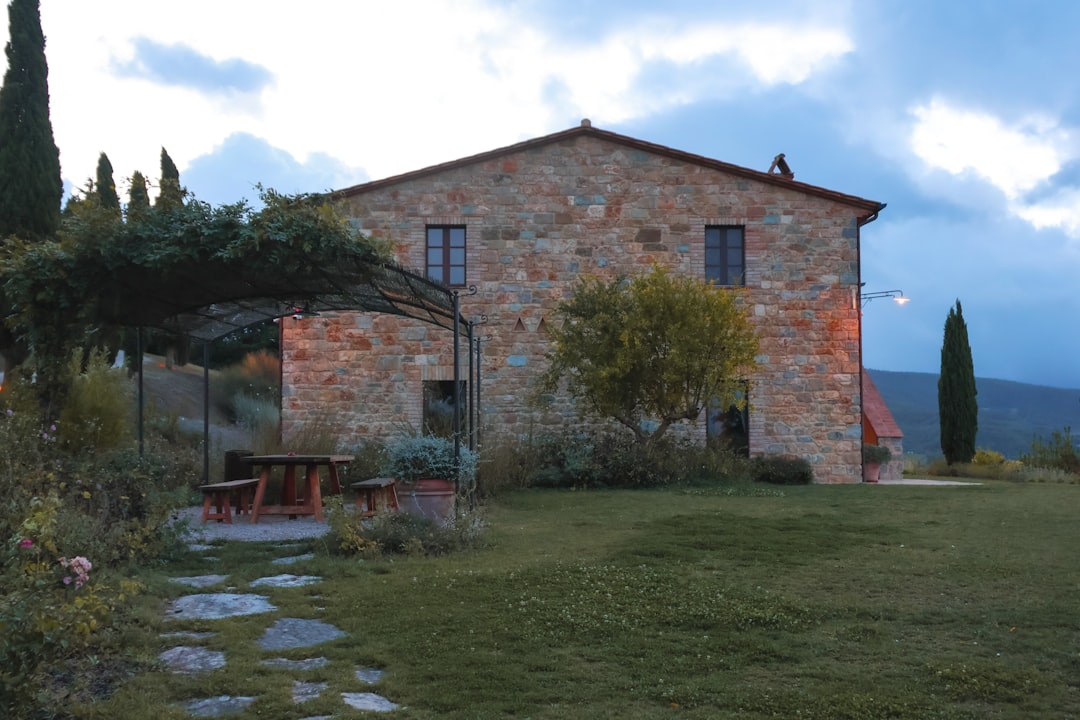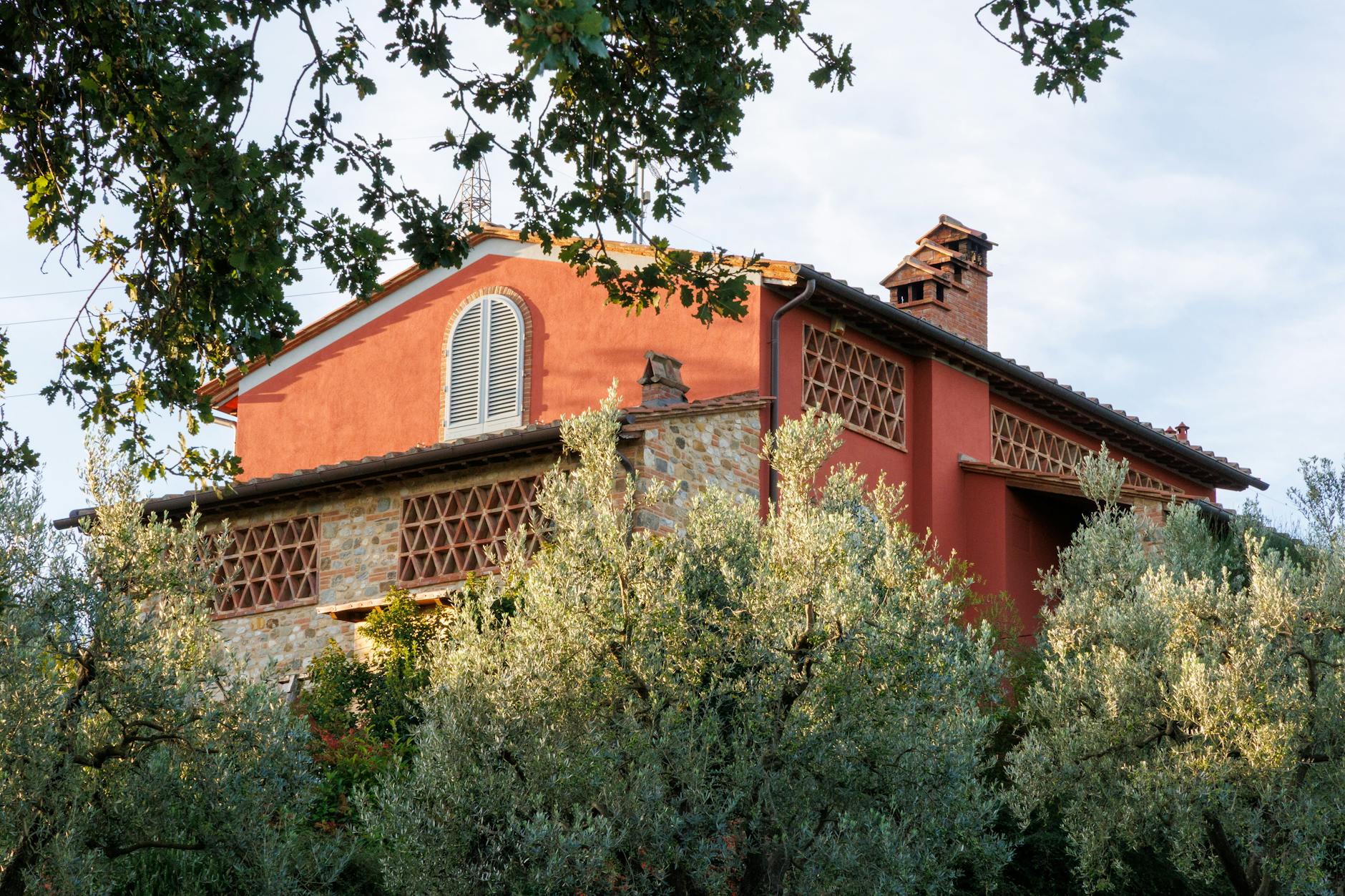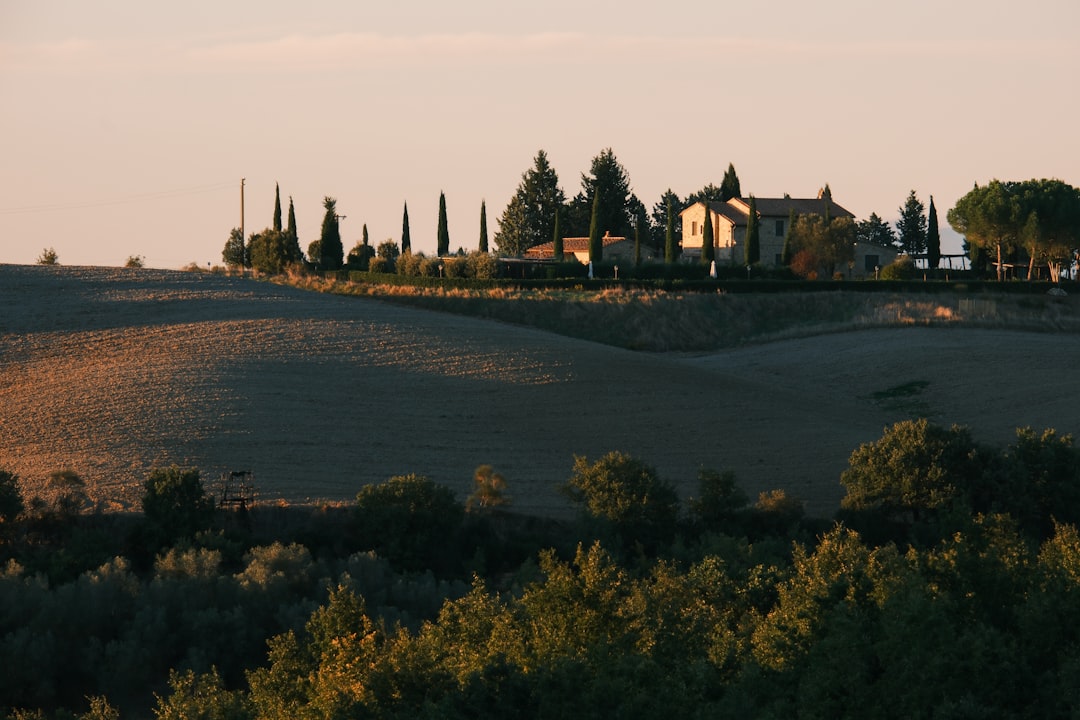
TL;DR: The chianti vs val d'orcia question appears on every Tuscany planning thread, and the answer depends on what your group actually wants from the week. Chianti puts you within reach of Florence and Siena and offers the most organized wine infrastructure in the region. Val d'Orcia trades access for landscape and quiet. Maremma adds a coastline and a kind of wildness the other two don't have. This guide makes the choice clear.
Quick Pick
- First trip to Tuscany, want city access: Chianti, based near Greve in Chianti or Panzano
- Slower pace, iconic Tuscan landscape: Val d'Orcia, near Pienza or Montalcino
- Coast plus hills, low tourist density: Maremma, near Grosseto or Porto Ercole
- Wine-focused week: Chianti for Classico estates; Val d'Orcia for Brunello di Montalcino producers
- September or October timing: Val d'Orcia for harvest season depth; Chianti for the vendemmia atmosphere
- Group returning to Tuscany: Val d'Orcia or Maremma, rather than Chianti again
| Region | Landscape | Drive to Florence | Tourism Level | Wine Anchor | Villa Price Band / Week |
|---|---|---|---|---|---|
| Chianti | Wooded hills, dense vineyards | 45 min | High | Chianti Classico DOCG | €3,500–€8,000 |
| Val d'Orcia | Open, rolling plains, UNESCO site | 90 min | Moderate | Brunello di Montalcino DOCG | €4,000–€10,000 |
| Maremma | Coast plus wilder inland hills | 2 hrs | Low | Morellino di Scansano DOCG | €4,500–€12,000 |
Introduction
There is a version of Tuscany that lives in the collective imagination: cypress-lined roads, ochre light at six in the evening, a table outside with wine you will never find at home. All three of these regions hold some version of that. What they don't share is the version your group will actually inhabit.
Chianti is where most groups land first. It is familiar, convenient, and within reach of two cities. Val d'Orcia is for the group that wants to go deeper, to stay inside the landscape rather than use it as a backdrop. Maremma is for the group willing to go further, and the one that tends to be rewarded for it.
The chianti vs val d'orcia comparison is usually framed as a wine decision. It is more accurately a pace decision. Do you want a week organized around trips out, or a week organized around being somewhere? Both are coherent choices. Maremma makes the question more interesting by adding a third axis: coast.
This guide gives you a clear read on all three so the decision is made before anyone opens the group chat.
Which Tuscany Region Is Right for a Group?
Chianti suits groups who want access to Florence and Siena alongside the wine experience. Val d'Orcia suits groups who want to live inside the landscape, with less movement and more depth. Maremma suits groups who want coastal access, lower tourism, and a Tuscany experience that feels off the familiar script. For a first trip to the region, Chianti. For a return visit or a more considered one, Val d'Orcia or Maremma.
The answer depends on three things: how much your group wants to move around, what kind of landscape you want to wake up inside each morning, and whether city proximity is part of the plan or a distraction from it.
Groups that organize around activities tend toward Chianti. The proximity to Florence and Siena means a day in either city is possible without a commitment. The road network is dense, wine estates open their doors widely, and the tourism infrastructure is sophisticated enough that an afternoon excursion can be arranged with a single call.
Groups that organize around presence tend toward Val d'Orcia. There is less to schedule there, and that is the point. The landscape rewards stillness. Mornings at the villa. An afternoon in Pienza. A Brunello tasting at one estate, unhurried. Evenings at a long table while the light changes.
Maremma is the option most groups don't consider at all. That may be the argument for it.
Chianti: Where Wine Culture and City Access Sit Together
The name Chianti covers a large swath of Tuscan hills between Florence and Siena, but the designation most worth understanding is the Chianti Classico DOCG, the historic heartland covering roughly 70,000 hectares. Sangiovese makes up 80 to 100 percent of every bottle bearing the Black Rooster seal. The Gallo Nero dates to a medieval legend about the territorial dispute between Florence and Siena; the Chianti Classico Consortium has used it since the 1920s.
Around 35 to 38 million bottles of Chianti Classico are produced each year, which tells you something about the scale of the region and its relationship to tourism. This is not, in any meaningful sense, undiscovered territory. What it offers a group is density: a high concentration of estates, towns, food producers, and landscapes within a manageable radius.
For a villa week, Chianti's northern reaches around Greve and Panzano put you close to Florence without feeling suburban. The southern reaches toward Castelnuovo Berardenga shade into quieter territory and tend to sit more solidly within the Val d'Orcia register.
Best for: A first Tuscany group trip that wants wine, day trip access, and a flexible structure
Why it works: The infrastructure supports easy movement without forcing it. You can spend Wednesday in Florence and be back for a private dinner at the villa by eight. The estate network here is organized for visitors in a way that Val d'Orcia producers are not.
Skip: The bus-based wine tour. The estates here will host a private group tasting, often for the cost of a case. The organized day tour is the wrong version of this experience for a villa-based group.
Timing: May through June for mild weather and manageable crowds. September for the vendemmia, when harvesting is underway and estates are at their most atmospheric. Avoid August if pace and privacy are priorities.
Is Val d'Orcia Worth Choosing Over Chianti?
Val d'Orcia is worth choosing over Chianti when your group wants the Tuscan landscape to be the experience, not the backdrop. It is a UNESCO World Heritage Site recognized for its Renaissance agricultural design: open chalk plains, conical hills topped with fortified villages, cypress rows and dirt tracks that have changed very little in five centuries. The tradeoff is distance from major cities. Florence is 90 minutes north. The payoff is a quietness Chianti cannot match.
Val d'Orcia was added to the UNESCO list in 2004, recognized as a landscape reflecting Renaissance ideals of good governance. The Sienese School of painters documented this territory for centuries; the images became the shorthand for Tuscany itself.
The wine anchor here is Brunello di Montalcino. Made from 100 percent Sangiovese and aged for a minimum of four years, it was among the four wines to receive Italy's first DOCG designation in 1980. Visiting a Brunello producer is a different register than a Chianti Classico tasting. It tends toward fewer estates, longer conversations, and older bottles. For more on building a wine-focused week in Tuscany, the Tuscany wine tour guide covers the estate circuit in detail.
The towns in Val d'Orcia reward slow movement: Pienza, the Renaissance planned city; Montepulciano, stacked on a ridge with views in every direction; Bagno Vignoni, a thermal bath town built around a Renaissance fountain-piazza that functions as a communal pool. None of these require a schedule. They reward arriving without one.
Best for: Groups returning to Tuscany, or groups for whom pace and landscape matter more than proximity to cultural institutions
Why it works: The villa-to-everything ratio is high. You need fewer days outside the property because the environment itself carries the week. A private chef for two or three evenings changes the calculation entirely: groups that planned to eat out every night find they have stopped wanting to leave.
Skip: Combining Val d'Orcia with Florence day trips. The drive is not impossible, but it converts a slow week into a fast one. Choose this region to stay in it.
Maremma: The Region Most Groups Pass Over
Maremma occupies the southwestern edge of Tuscany, stretching from the hills above Grosseto down to a coastline that still qualifies as genuinely wild. This is not coastal access in the Amalfi sense, where the sea is dramatic and the infrastructure is dense and everything requires patience. Maremma is less organized, in a way that reads as freedom.
The landscapes shift between zones. Inland Maremma has rolling hill country planted with olive groves and vineyards. Coastal Maremma includes the Maremma Regional Park near Alberese, a protected stretch of dunes, pine forest, and riverine wetlands that see a fraction of the visitors that arrive in more recognized parts of the region. The Argentario peninsula, about an hour further south, is a different register entirely: rocky, yachting-adjacent, and largely Italian in its sensibility.
The wine here is Morellino di Scansano DOCG, a Sangiovese-based red that is softer and more approachable young than either Chianti Classico or Brunello. Private in-villa tastings with local producers are available and are a reasonable way to spend an afternoon when your group doesn't want to travel anywhere.
What Maremma lacks in cultural density (fewer major cities, thinner museum infrastructure) it compensates for with privacy. The estate staff often outnumber the guests.
Best for: Groups that want coastal and rural Tuscany combined, or groups prioritizing seclusion and a low-tourism atmosphere over cultural programming
Why it works: The combination of hills and coast within one week is rare. Most Tuscany villas don't offer both, and most groups don't think to ask for it until they're planning a return trip.
Skip: Expecting the coastal infrastructure to resemble what you'd find in the Cinque Terre or along the Amalfi. It doesn't, and that is precisely the point.
What Does a Villa Week Actually Look Like in Each Region?
A villa week in Chianti means structured days with room for spontaneity: a winery visit in the morning, a city in the afternoon, dinner back at the property with wine from the estate down the road. In Val d'Orcia, the week has fewer anchors and more rhythm: slow mornings, one or two unhurried excursions, evenings at a long table. In Maremma, the week may include a morning at the coast and still end with a private dinner in an olive grove.
The practical difference between regions comes down to how much the villa itself is the destination versus the departure point.
In Chianti, the villa is where you return to. It is designed for the group, but the pull of what surrounds it is strong enough that staying in feels like a choice you have to make. In Val d'Orcia, the property tends to anchor the week more completely. The landscape gives you something to look at from the terrace all day. In Maremma, the larger estate villas typically come with more staff and more land. The week has more space built into it by default.
For a fuller picture of how villa economics and regional planning work together, the Tuscany group travel guide covers the logistics across the full region.
If You're Still Deciding Between Italy and Elsewhere
For the group that hasn't fully committed to Tuscany and is still weighing options from a wider list:
Tuscany vs the Amalfi Coast: The Amalfi Coast is more visually dramatic and more logistically demanding. Getting anywhere requires effort. Tuscany asks less of you logistically and delivers the slow-living experience more consistently. For a villa-based week with a group of eight or more, Tuscany handles the numbers better. The Amalfi Coast is unmatched for scenery; it is not the obvious choice for a week organized around ease. The Amalfi Coast group guide covers the village options if the coast is a priority.
Tuscany vs Provence: Both wine regions, both villa cultures, comparable price points. Provence sits closer to urban amenities (Avignon, Aix-en-Provence) in a way that parallels Chianti's relationship to Florence and Siena. The fundamental difference is wine culture and table. If your group is oriented toward French food and wine, Provence is a coherent choice. If the Italian table is the point, Tuscany.
Tuscany vs Umbria: Umbria is quieter, greener, and often less expensive. For groups that want the Italian countryside without Tuscany's tourist density, Umbria around Spoleto or Orvieto is a credible option. The villa infrastructure is thinner; the landscape is less iconic. The tradeoff is more privacy at a lower price point.
How to Choose Without the Group Chat Spiral
The decision most groups never actually make is the style-of-week conversation before the location conversation. This is why group chats about Tuscany run to seventy messages and end with a villa that doesn't match what anyone described wanting.
The three regions above suggest three different answers to the same underlying question: what is this week actually for? If the answer is wine, cities, and flexibility, Chianti is the correct choice and will deliver it. If the answer is slowness, landscape, and being somewhere, Val d'Orcia is the correct choice. If the answer includes coast, privacy, or somewhere none of you have been, Maremma is the more interesting option.
What most groups get wrong at this stage is trying to compromise on location rather than agreeing on style. Choosing a region that falls between Chianti and Val d'Orcia doesn't give you both. It gives you neither fully.
A curated Wndrlust voyage handles this conversation differently. The style and pace conversation happens first. The region follows from it. The villa is selected to match the group's rhythm, not the other way around. Private chef, planned tastings, in-villa dinners, and a week that has been designed rather than assembled. Find out more about the Tuscany voyage at wndrlust.travel/tuscany.
Conclusion
Chianti, Val d'Orcia, and Maremma are not different destinations. They are different versions of the same week in Tuscany. The landscape, the wine, the pace, and the kind of villa you end up in all shift depending on where in the region you place your group for seven days.
The chianti vs val d'orcia decision comes down to what you want the week to feel like, not just what you want to see. Chianti is organized around access. Val d'Orcia is organized around being somewhere. Maremma offers something between the two, with a coastline added.
The clearer that question is before you choose a region, the cleaner every other decision becomes. Begin there. The landscape, the wine, and the table all follow from it. For a complete overview of the Tuscany group experience, the Tuscany group travel guide covers regions, timing, and villa planning in full.