TL;DR
A private chef at a Tuscany villa is not a luxury add-on. It is the architecture of the villa experience itself. The chef arrives at the property, sources from local markets that morning, and cooks a 4 to 6 course dinner for the group at the villa's own table. For 6 to 12 guests, expect €85 to €180 per person depending on menu tier and season. This guide covers what the experience actually looks like, what it costs, and how to format it right.
Quick Pick
- First villa week (6–10 guests): Book the chef 2 to 3 evenings, not every night. An opening dinner, one mid-week market-to-table night, and a closing meal is the structure that gives the week shape without replacing the restaurant nights the region also deserves.
- Leaner budget (€85–€100/head): Essential tier, 4 courses, seasonal Tuscan menu. Supplement with a case of Chianti Classico sourced from a winery visit earlier in the week.
- One evening to go deep (€150–€180/head): Luxury tier, 6 or more courses. Worth it once during the stay, particularly in truffle season.
- Seasonal timing: October and November for white truffles from San Miniato. September for a vendemmia dinner with harvest energy in the air. April and May for spring artichoke season and lighter menus.
- Before you book: Many Tuscany villas maintain an approved chef list. Confirm the rental contract before arranging an outside chef.
How to Book a Private Chef: Three Formats Compared
| Format | Per-Head Cost | Coordination | Menu Control | Right For |
|---|---|---|---|---|
| Chef included in villa rental | Built into weekly rate | Zero — arranged at booking | Limited to villa's roster | Fully staffed properties, week-long stays |
| Booked per dinner (à la carte) | €85–€180 + wine | Group manages, 7–14 days out | High — full menu co-design | Flexible groups booking 2–3 chef evenings |
| Curated voyage with chef built in | Part of voyage cost | Zero — handled through logistics | Managed by concierge | Groups who want the meal without coordinating it |
Introduction
Most groups arrive at a Tuscany villa with a list of Florentine restaurants already saved.
This is the wrong starting point.
A private chef is not a luxury upgrade. It is the structure of the villa stay itself. When you spend every evening driving to restaurants, the villa becomes a hotel with better light. When the chef unpacks at the kitchen island and begins explaining what came from the market that morning, the villa becomes the reason you came.
The table is yours. No reservation was needed, no taxi called, no noise ordinance watched. The meal belongs to the group and moves at the group's pace. The wine goes where it goes.
There are roughly 400 private chefs available for villa work across Tuscany, from restaurant-trained cooks who left professional kitchens for this, to family-trained cooks with twenty years of villa dinners behind them. The experience varies. The format matters more than most people expect.
Here is what actually happens, what it costs, and what most groups get wrong about structuring the week.
What Does a Private Chef Tuscany Villa Dinner Actually Look Like?
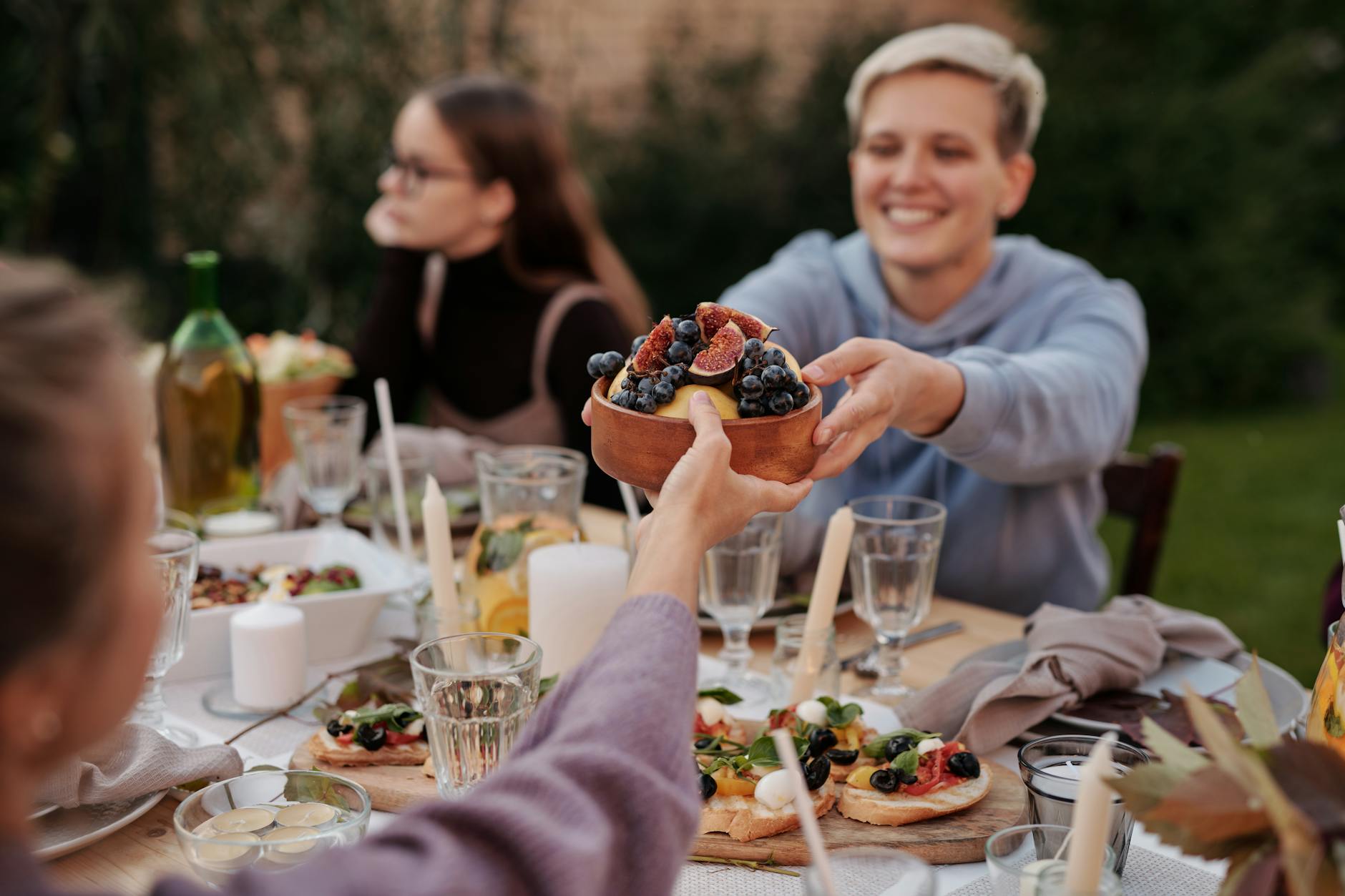
A private chef at a Tuscany villa arrives at the property 2 to 3 hours before the meal with all ingredients sourced that day from local markets or regional producers, cooks a 4 to 6 course dinner in the villa kitchen, and handles serving and cleanup. The group provides nothing except the setting. Pricing runs €85 to €180 per person depending on menu tier, according to chefondemand.it's 2026 pricing guide.
The sequence is straightforward. You contact the chef or the service that places them, confirm the date and group size, share dietary needs, and agree on a general direction for the menu. Most chefs co-design with you based on what is in season and what fits the group's preferences. On the day, they handle everything else.
For groups of 5 or more, most chefs bring an assistant to manage service so the meal paces correctly. This matters at a table of 8 or 10, where one person handling both kitchen and courses would show.
A Tuscan menu moves through a deliberate structure: antipasto, primo (almost always handmade pasta), secondo (meat or fish depending on the region and season), and dolce. The primo is where the most time is spent and where the regional character is most visible. Pici with wild boar ragù in the Val d'Orcia tastes like the landscape it came from.
What Does a Private Chef at a Tuscany Villa Cost?
A private chef villa dinner in Tuscany in 2026 costs €85 to €180 per person before wine. The tier determines menu depth: Essential (4 courses) runs €85 to €95 per head; Taste of Italy (5 courses) €100 to €120; Luxury (6 or more courses, truffles when in season) €150 to €180. Group size shifts the per-head cost by 15 to 25 percent, with larger groups paying less per person as fixed costs spread.
Wine is not typically included in the per-head price. DOCG-level pairings (Chianti Classico, Brunello di Montalcino, Vernaccia di San Gimignano) add €25 to €60 per bottle. A group of 8 on a Taste of Italy menu with two bottles of Chianti Classico lands around €1,100 to €1,300 all-in for the evening.
Christmas, New Year, and Easter carry roughly a 35 percent surcharge. June through September is peak season: more demand, more competition for available chefs, rates at the higher end of each tier. Autumn (September through November) often has better availability and a truffle calendar as a seasonal bonus.
For comparison: a fine-dining table in Florence for 8 guests runs €150 to €250 per person before wine. A private chef at the villa costs approximately the same per head for tasting-menu depth, with no drive home, no ambient noise, and the table still set when the evening finally wants to end.
For groups who want a framework on choosing the right villa for a chef week, the best villas in Tuscany for groups guide covers which properties have the kitchen infrastructure and outdoor table settings that support this.
How Many Nights Should a Group Book a Private Chef During a Tuscany Villa Week?
Three evenings over a 7-day stay is the format most groups find works. An opening dinner anchors the first night, when the group is still arriving into the place and the week needs a focal point. A mid-week dinner is built around a market visit, with the menu reflecting what was freshest that morning. A closing meal rounds out the week in a way that a drive to a restaurant at the end does not.
The nights between belong to the region. The agriturismo on a back road where the pasta is handmade and nobody speaks English. The enoteca in a hill town that pours the local wine standing at a marble counter. The long lunch that extended into afternoon shade and nobody chose to leave.
These meals need to exist. They are part of how Tuscany eats, and no private chef dinner replaces them. A private chef is the anchor around which the week moves, not a substitute for the eating the region does.
Most groups that skip the private chef altogether and eat out every night come home with a good collection of restaurant opinions and very little sense of the villa they stayed in. The villa is the place. The chef is what makes you feel it.
What Makes Tuscany's Private Chef Experience Different From Other Regions
The ingredient access is the reason.
Tuscany holds one of the highest concentrations of DOP and IGP-protected food designations in Italy: Cinta Senese pork, Chianina beef, Lardo di Colonnata, Pecorino di Pienza, saffron from San Gimignano, white truffles from San Miniato. A chef working the region knows where each of these comes from and can build a menu around what is actually available that week. This is not the same as sourcing good ingredients in a generic sense.
The Slow Food movement has deep roots in Tuscany. Chefs who have spent careers here do not cook seasonally as a menu trend. They cook seasonally because nothing good is in season twice. The ribollita in October is made from that autumn's cavolo nero, last summer's beans, and the week's bread. It does not taste the same in March.
The practical effect: a chef who knows the regional calendar delivers a menu the group cannot find in the same form anywhere else or in any other month. The experience is not replicable by booking a different week or a different destination. It belongs to the time and place it was made in.
The Seasonal Calendar: When Timing Changes the Meal
October and November: white truffle season. The San Miniato truffle fair draws buyers from across Italy each autumn, and the white truffles sourced from the surrounding countryside rank among the most celebrated in the country. A private dinner with fresh truffle shaved onto handmade tajarin is the kind of meal that exists for a few weeks per year and nowhere else. This is the window to plan the Luxury tier dinner.
September: vendemmia. The harvest is in. The estates are alive. A villa dinner mid-harvest carries a different energy, the previous year's bottles being poured while the new vintage comes in off the vines around you. Visit Tuscany's seasonal guide maps what is in play each month across harvests, festivals, and ingredient windows.
April and May: artichoke season in the Val di Chiana and around Florence. The menu lightens naturally. The terraces open. A late morning market visit followed by an afternoon chef dinner fits the spring rhythm well.
June through August: peak availability for visitors and peak demand for chefs. The produce is abundant and the menus shift toward lighter preparations, fresh seafood in coastal areas, and cold-pressed olive oils. Book early. The best chefs fill their summer calendars weeks in advance.
Tuscany vs. Other Destinations for the Private Chef Experience
The private chef format travels well. The regional character of what the chef delivers does not.
Tuscany vs. the Amalfi Coast: The Amalfi chef tradition is built around the morning's catch, with menus centering on spaghetti alle vongole, grilled fish from the Tyrrhenian, and lemon desserts. The experience is excellent and leans more informal in setting. Tuscany's private chef tradition is earthier and more wine-integrated: truffle pasta, slow-braised meat, bistecca from Chianina cattle. For groups whose week will be shaped by wine and land rather than coast and sea, Tuscany has the fuller ingredient story. See where to stay on the Amalfi Coast for how the two destinations compare as a base.
Tuscany vs. Provence: Both regions have strong private chef cultures rooted in daily market produce. Provence centers on the Provençal palette: tapenade, bouillabaisse, lamb with herbes. Tuscany has a deeper wine-pairing integration and a more varied DOP landscape. For Italian language, wine culture, and olive oil as core to the experience, Tuscany; for the French countryside alternative with equivalent food depth, Provence.
Tuscany vs. Ixtapa: A different framework entirely. Ixtapa's private chef experience centers on Pacific Mexico cuisine: fresh ceviche, wood-grilled fish, tortilla-making, mezcal at sunset. The comparison matters only if the group is weighing continents, not Italian regions. They are not interchangeable experiences and the chef culture tells you everything about the character of the trip.
How to Plan a Villa Week With a Private Chef Without Coordinating It Yourself
The experience is not complicated. The coordination is.
Someone in the group has to find the chef, confirm availability for the target dates, share dietary restrictions across the full guest list, walk through the menu together, handle the deposit, and send the villa address. Then do it again for the second dinner. Then follow up when the first chef's reply arrives three days later.
This is not what the week is for.
In a curated Wndrlust voyage, the chef is part of the structure before the group arrives. The menu conversation happens through the voyage logistics. The evenings are allocated in advance around the week's rhythm. Nothing is left to coordinate on arrival because nothing is left open.
The chef is the same quality. The meal is the same meal. The difference is whether anyone in the group spent three weeks of a message thread getting there.
If that matters, the Wndrlust Tuscany voyage is designed this way. The private chef is built into the week, not added on top of it. For a wider view of how a curated Tuscany week is structured, the Tuscany group travel guide covers the full picture.
Conclusion
A private chef at a Tuscany villa is one of those experiences that looks like a detail from the outside and becomes the center of the week once it happens.
The logistics are manageable once the format is clear. Two or three evenings, timed to the seasonal calendar, at a tier that matches what the group actually wants from the meal. The opening dinner to settle into the place. The mid-week dinner built from what was at the market that morning. The closing meal that closes the week properly.
The rest of the time belongs to Tuscany: the winery lunches, the hill town osterie, the afternoon that extended past any reasonable hour. The chef anchors those days. The week fills in around it.
For more on structuring time in the region, the Tuscany itinerary guide covers the week's rhythm in detail. For choosing the villa that supports this, where to stay in Tuscany maps the three main areas and what each one gives you.